The SAVE Act Is Just a Band-Aid on a Gaping Wound
Washington is currently buzzing about the SAVE Act, touting it as the silver bullet for American election security. But for those paying attention to the structural reality of our voting systems, this legislation doesn’t just fall short—it misses the forest for the trees.
If citizens truly understood the depth of the compromise, they wouldn’t be asking for a bill. They would be demanding a revolution in how we count votes.
The “Cruise Control” Election
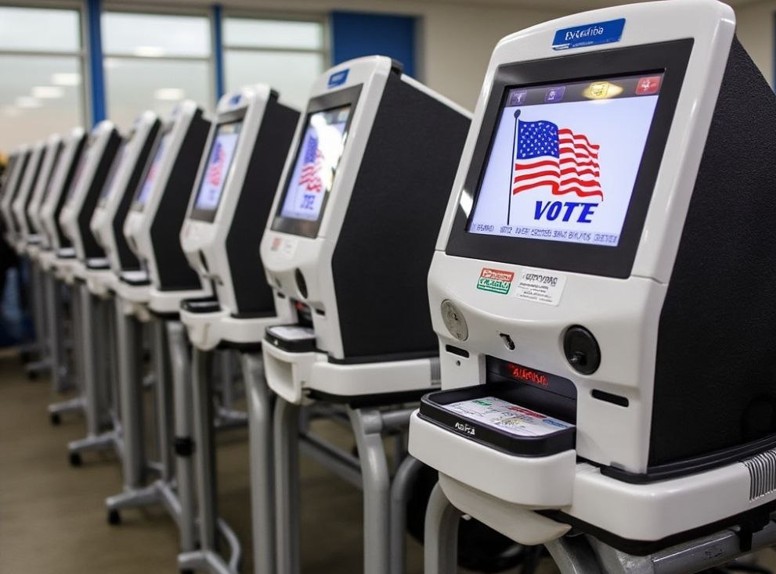
At a recent United for Liberty forum in Hays County, Texas, the veil was lifted on the current state of electronic voting. According to an ex-State Department representative present, the vulnerability of the machines deployed across the U.S. is not a bug; it is a feature.
The testimony described a system where four major companies—some with foreign ownership—utilize the same base source code. This code, concealed behind the curtain of “Intellectual Property,” allegedly traces its lineage back to the Chavez/Maduro regime in Venezuela, designed specifically to “manage” outcomes.
The analogy used was chillingly simple: Cruise Control.
For elections that “matter,” an objective is set. When voter rolls swell suspiciously right before a vote, the algorithm adjusts the “fuel/oxygen mixture”—inserting ballots to ensure the objective is met.
- 2016: The system “glitched.” Hillary was leading widely in the polls but the sheer volume of genuine support for Donald Trump swamped the algorithm, breaking the cruise control.
- 2020: The system was ready. We saw simultaneous counting stoppages in major cities like Milwaukee, Philadelphia, and Atlanta, followed by massive overnight reversals.
- 2024: The mantra became “Too Big to Rig,” coupled with apparent defensive actions by the Trump campaign against foreign IP interference.
This isn’t just about skepticism; it is about the testimony of experts and local officials who sense that something is fundamentally “amiss.”
Liberty Through Reform: The Platform
The consensus from the grassroots is clear: We cannot simply patch the software. We must return to a precinct-level, transparent, physical system.
Election integrity is the cornerstone of a “Liberty through Reform” platform. This goes beyond simple legislation; it calls for a Constitutional Amendment for Federal Election Integrity to guarantee elections are free, fair, and impartially administered with indisputable results.
Here is the blueprint for a system we can trust:
- Federal Standard, State Administration: A unified bar for integrity, executed locally.
- Proof of Citizenship: Required strictly for registration.
- Clean Rolls: Standardized, mandatory scrubbing of voter lists.
- Mandatory Voter ID: No exceptions at the polls.
- A Celebration of Democracy: A 2-Day National Holiday for voting (offset by removing President’s Day, MLK Day, and Juneteenth to maintain economic balance).
- Restricted Early Voting: Limited strictly to seniors (65+), with polls open only the week prior.
- Secure Ballot Delivery: Volunteers, accompanied by witnesses from at least two parties, deliver ballots to shut-ins. Signed, sealed, and verified.
- End Mass Mail-Ins: Absentee voting eliminated, with exceptions only for the military.
- Paper Ballots Only: No black boxes. No hidden code.
- End Straight-Ticket Voting: Voters must select candidates, not parties.
- Precinct-Level Hand Counts: Manual counting on-site with observers from multiple parties.
- Verified Reporting: Tallies are reportable only after election officials and partisan observers concur.
We are at a precipice. If we lose confidence in free and fair elections, we don’t just lose a political cycle—we lose it all.